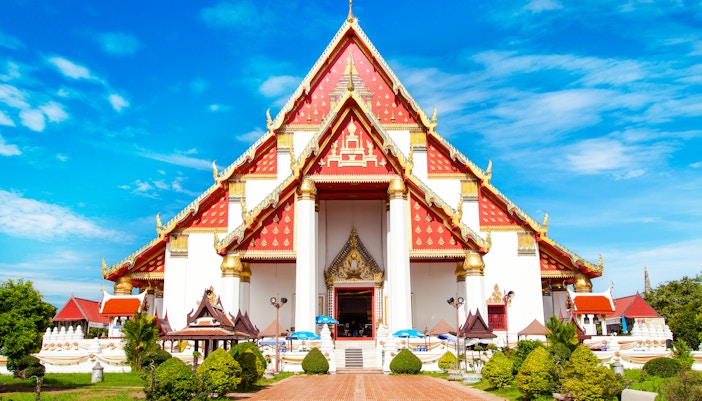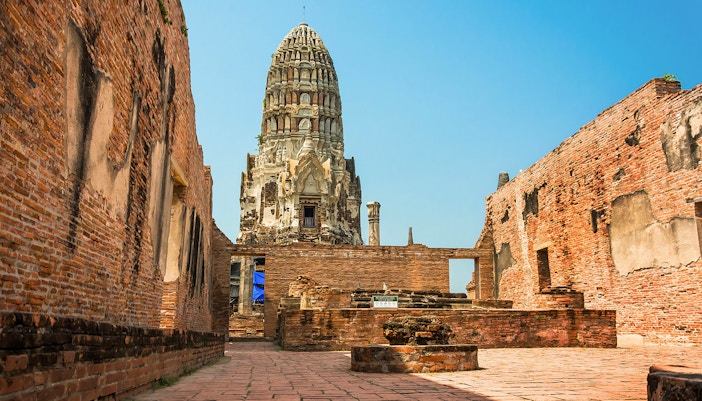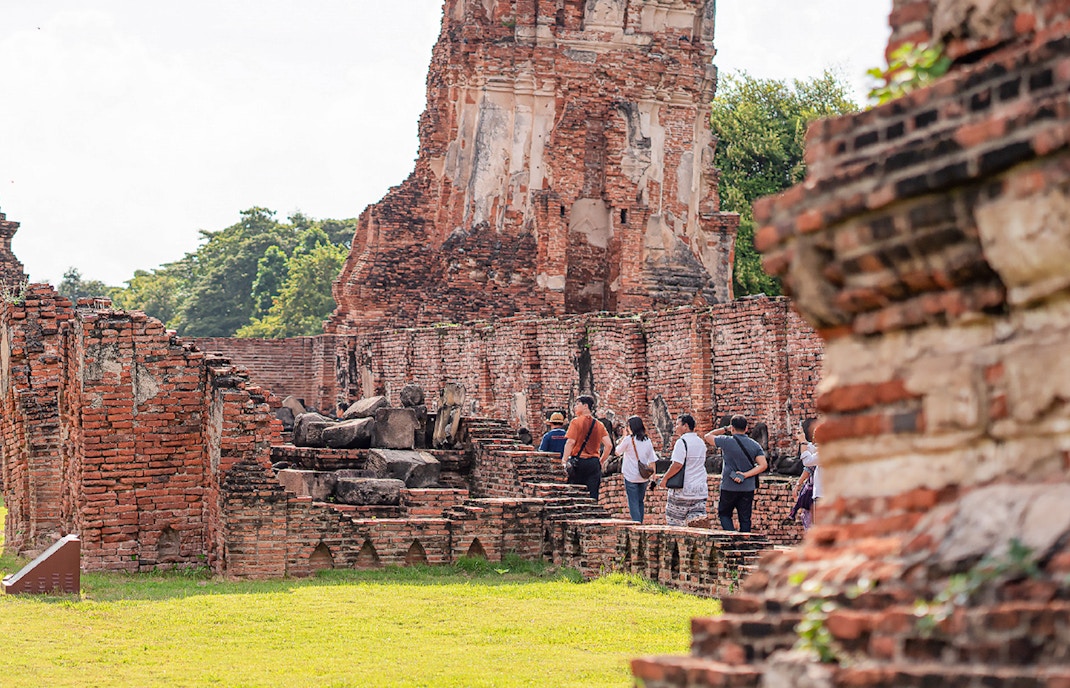
Ayutthaya holds rich historical significance as it served as the second capital of the Siamese Kingdom and a major center of global trade and diplomacy from the 14th to 18th centuries.
Included with Ayutthaya Historical Park tickets
Timings
RECOMMENDED DURATION
5+ hours
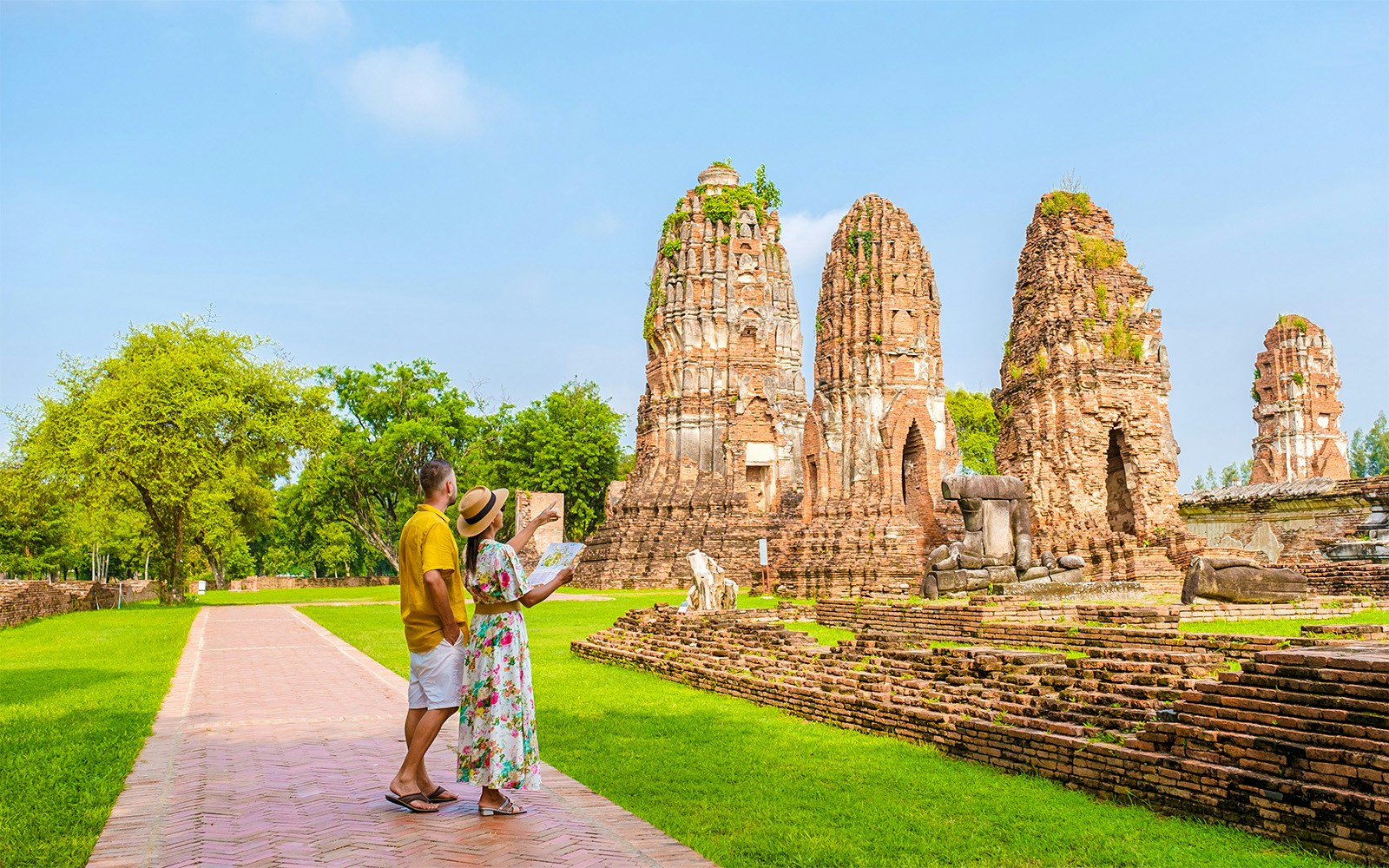
Step back in time as you explore the majestic temples of Ayutthaya, a UNESCO World Heritage Site. Once the thriving capital of Siam, its ancient ruins showcase towering prangs, serene Buddha statues, and rich cultural heritage—making these temples unmissable for history lovers and travelers seeking Thailand’s spiritual and architectural wonders.

Ayutthaya holds rich historical significance as it served as the second capital of the Siamese Kingdom and a major center of global trade and diplomacy from the 14th to 18th centuries.

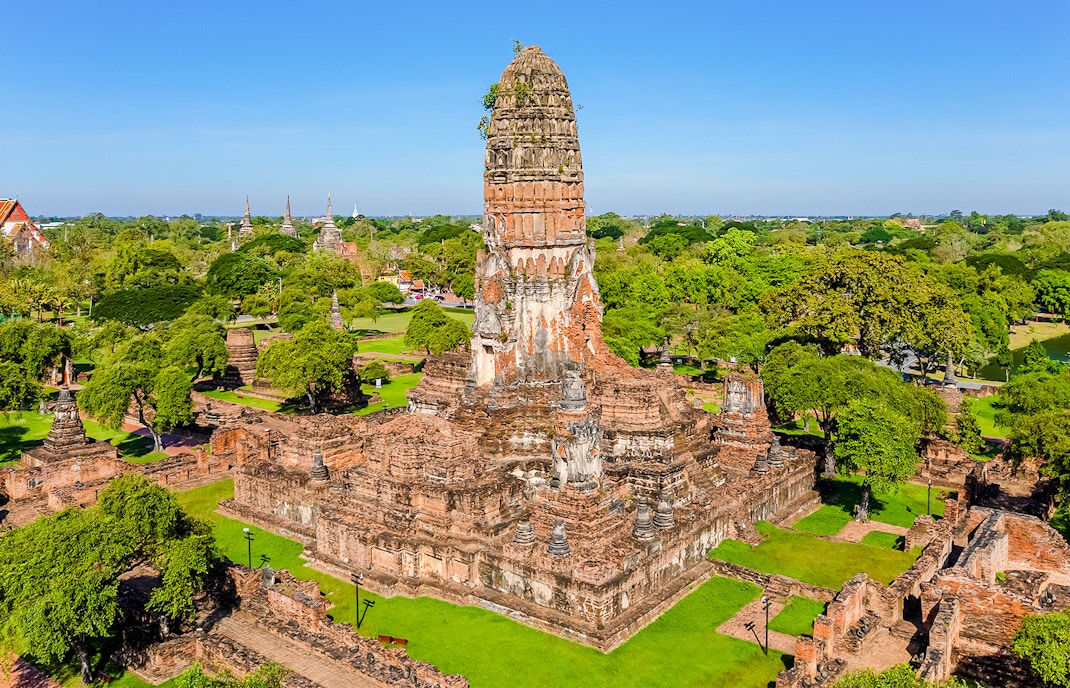
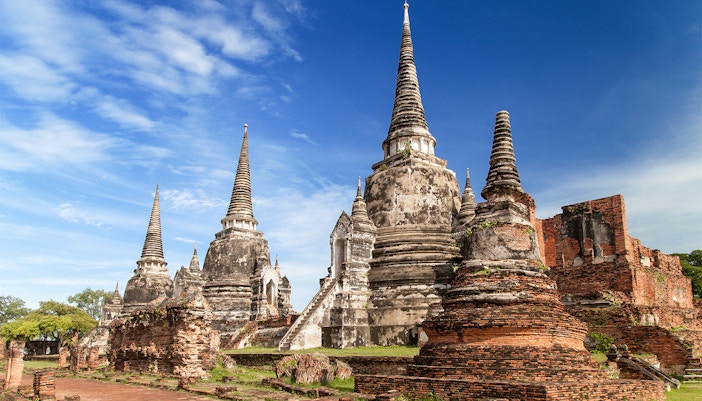
Ayutthaya prides itself on its majestic scale, artistic detail, and cultural fusion. Towering prangs rise above the ruins, symbolizing Mount Meru in Hindu-Buddhist cosmology.

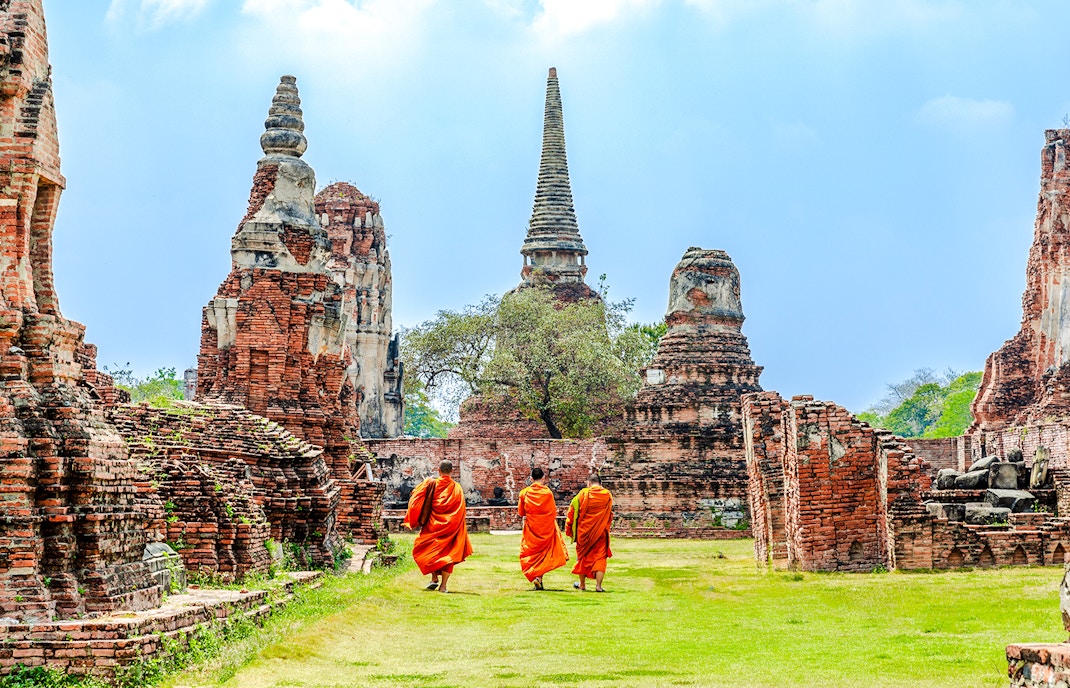
Ayutthaya holds deep spiritual and cultural significance as a former royal and religious center of Thailand. Once the heart of the Siamese kingdom, it was home to hundreds of temples, monasteries, and Buddha statues, symbolizing the country's devotion to Theravāda Buddhism.

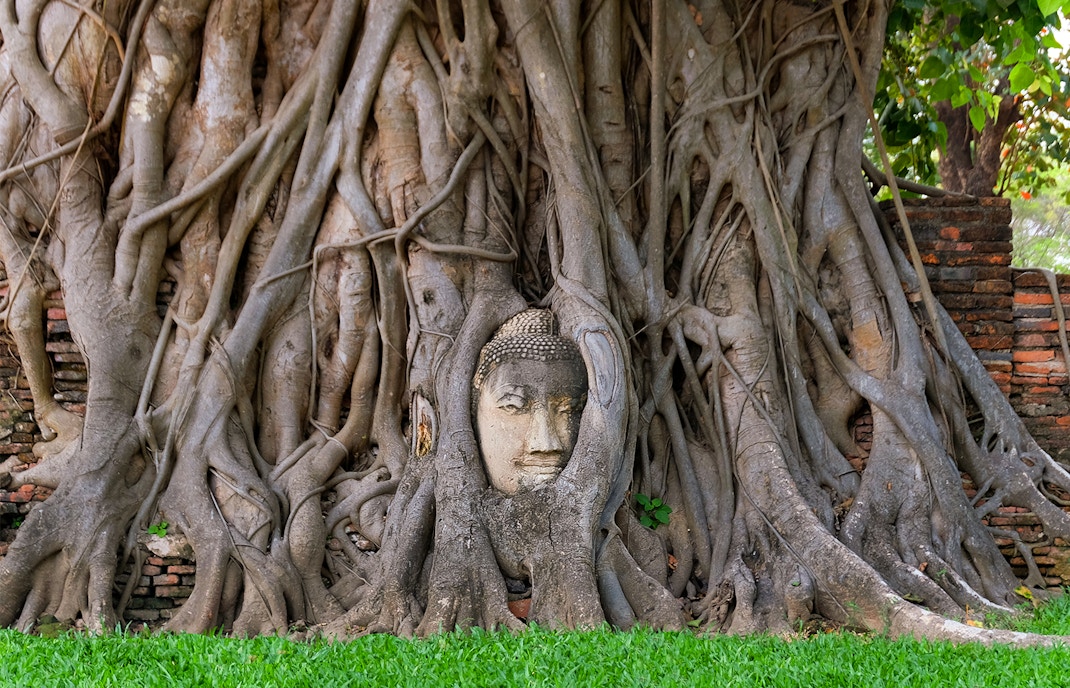
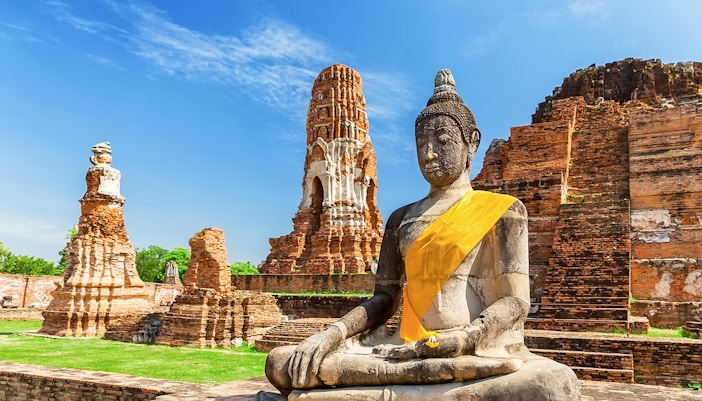
Ayutthaya’s temples are known for their photographic beauty due to their dramatic ruins, timeless textures, and striking contrasts. Iconic scenes—like the Buddha head entwined in tree roots at Wat Mahathat—add a mystical touch that captivates photographers. The mix of natural decay and spiritual elegance offers endless opportunities for stunning, storytelling imagery.

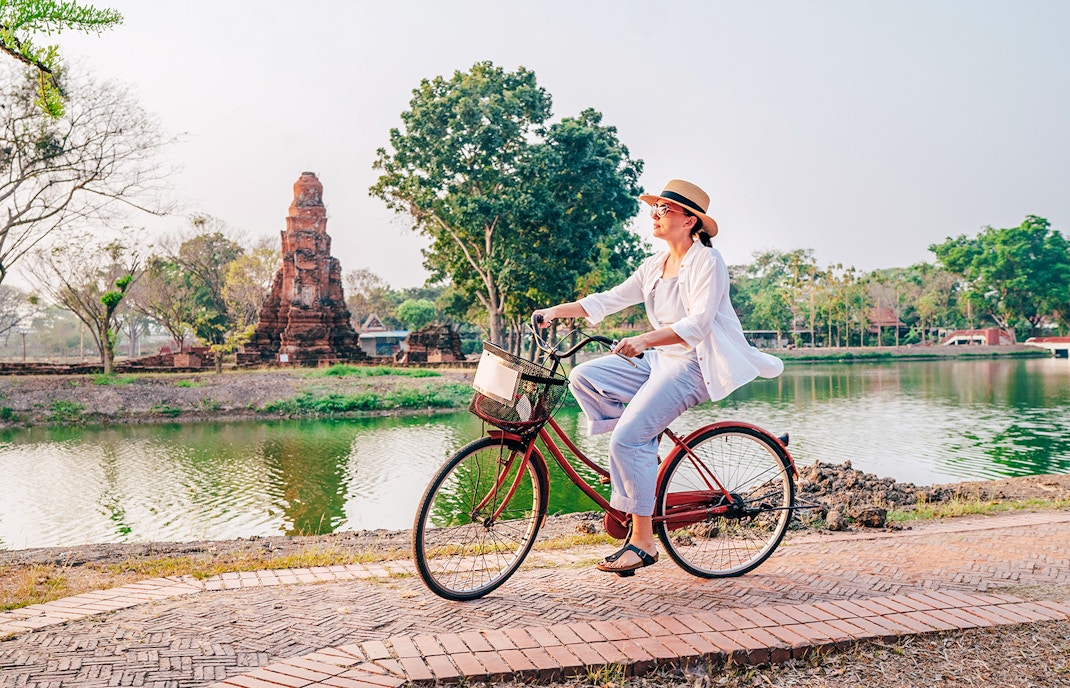
Exploring Ayutthaya offers more than just ancient ruins—it’s a chance to connect with local life and culture. Rent a bicycle or hop on a tuk-tuk to navigate the temple-studded island at your own pace, or take a scenic longtail boat ride along the rivers that once protected the old capital. Between temple visits, wander through bustling local markets filled with traditional snacks, handmade crafts, and fresh produce.

Wat Phra Si Sanphet was once the most sacred temple within the old Royal Palace grounds in Ayutthaya, Thailand’s former capital. It stood as a symbol of royal and religious power until 1767, when the city was tragically destroyed during the Burmese–Siamese War.

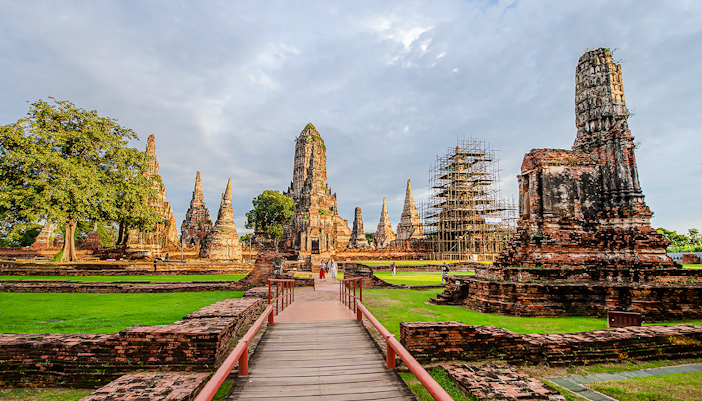
Wat Chaiwatthanaram is one of Ayutthaya’s most striking temples, known for its riverside setting and grand Khmer-style architecture.

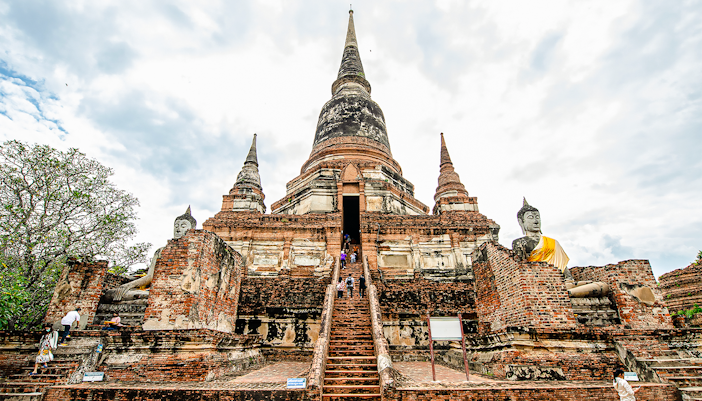
This monastery was constructed to celebrate King Naresuan's victory in single-handed combat on an elephant's back. The large pagoda can be seen from far away, and it was built to match the pagoda of Wat Phukhao Thong. It was named “Phra Chedi Chaiyamongkhon"

Home to the iconic Buddha head entwined in tree roots—one of Ayutthaya’s most iconic and mysterious sights.

Known for its towering bronze Buddha statue, this temple is a popular site for both worship and reflection.

Noted for its beautifully detailed prang and hidden crypt, this temple tells tales of royal rivalry and treasure.
Ayutthaya is best known for its ancient temples and ruins, which reflect the grandeur of Thailand’s former capital and its rich cultural heritage.
Top temples include Wat Phra Si Sanphet, Wat Mahathat, Wat Chaiwatthanaram, Wat Yai Chai Mongkol, Wat Mongkol Borpit, and Wat Ratchaburana.
You can reach Ayutthaya by train, minivan, private car, or river cruise from Bangkok. Trains are a popular and budget-friendly option.
A full day is ideal to visit 4–6 major temples. A half-day trip can cover 2–3 key sites if you’re short on time.
Yes, some temples charge a small entry fee (usually between 20–50 THB), while others are free to visit.
Most temples are open daily from 8am to 5pm, though hours may vary slightly by site.
Not necessarily, but hiring a guide or joining a tour can enrich your visit with historical and cultural context.
Yes, bicycles and tuk-tuks are easily available and great ways to get around the temple zones.
The cooler months from November to February are ideal, with pleasant weather for exploring the ruins.
Dress modestly—cover your shoulders and knees—as these are active religious sites.
Yes, some temples like Wat Mongkol Borpit are still active and used for Buddhist ceremonies.
Photography is allowed, but avoid flash and be respectful—especially near Buddha statues and during ceremonies.
Yes, many families visit Ayutthaya. Just be sure to bring sun protection and plenty of water for kids.
Yes, you’ll find local food stalls, riverside cafés, and markets around the main temple areas.
Absolutely! It's a popular and rewarding day trip, offering a blend of history, culture, and scenic beauty just 1.5 hours from the capital.