Ayutthaya, named after Ayodhya from the Indian epic Ramayana, symbolizes divine rule and invincibility. Founded in 1350 by King Ramathibodi I, it was strategically built on an island where the Chao Phraya, Lop Buri, and Pa Sak rivers meet, offering natural defense and ideal access to both inland and maritime trade.
Experience the best of Ayutthaya Historical Park
Crafted by Headout, a global experiences brand offering curated tours, tickets & experiences. Discover with ease, book with peace.Loved by over 57 million guests worldwide
Headout is an authorized and trusted partner of this venue
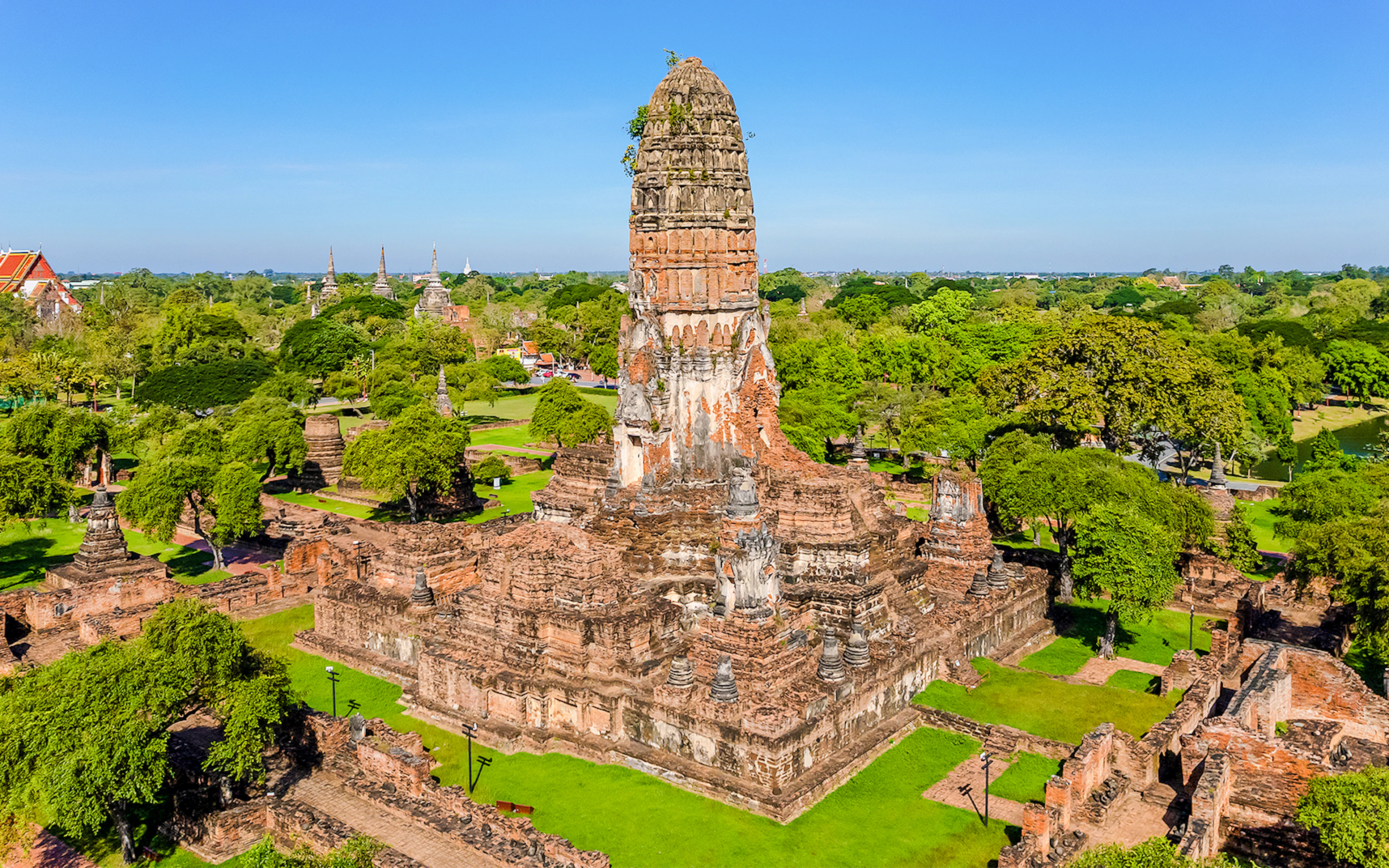
History of Ayutthaya
Founded in 1350, Ayutthaya was the second capital of the Siamese Kingdom and a major trade centre. Shaped by many cultures, it became known for its grand temples. The city was destroyed in 1767 by the Burmese, who aimed to diminish Siamese influence and assert their own. Today, its ruins form a UNESCO World Heritage Site and stand as a symbol of Thailand’s rich history.
A historical timeline of Ayutthaya
- 1324: Wat Phanan Choeng, one of the oldest temples in Ayutthaya, was established before the city's official founding.
- 1350: King Ramathibodi I founded Ayutthaya as the new capital of the Siamese Kingdom.
- 1431: Ayutthaya conquered Angkor, establishing dominance over former Khmer territories.
- 1438: Ayutthaya absorbed Sukhothai, becoming the unified center of Siamese power.
- 1569: Burmese forces captured Ayutthaya for the first time; the city briefly lost autonomy.
- 1593–1605: Reign of King Naresuan, who restored Ayutthaya’s independence and military strength.
- 1657–1688: King Narai’s reign marked Ayutthaya’s golden age of foreign diplomacy and trade.
- 1767: Ayutthaya was sacked and destroyed by the Burmese after a prolonged siege, ending the Ayutthaya Kingdom.
- 1969: Thai authorities initiated formal archaeological restoration of Ayutthaya’s historical sites.
- 1991: Ayutthaya Historical Park was designated a UNESCO World Heritage Site.
- 2024: Ayutthaya continues to attract millions of visitors annually as one of Thailand’s most iconic cultural destinations.
Ayutthaya's history explained
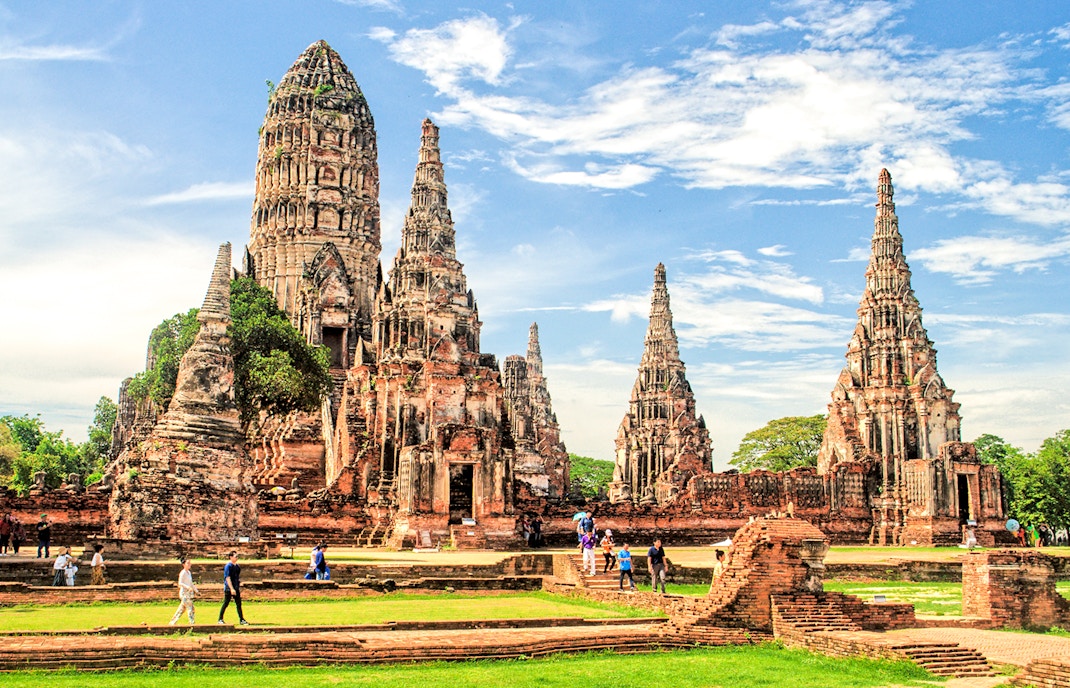
Ayutthaya’s origins and spiritual roots
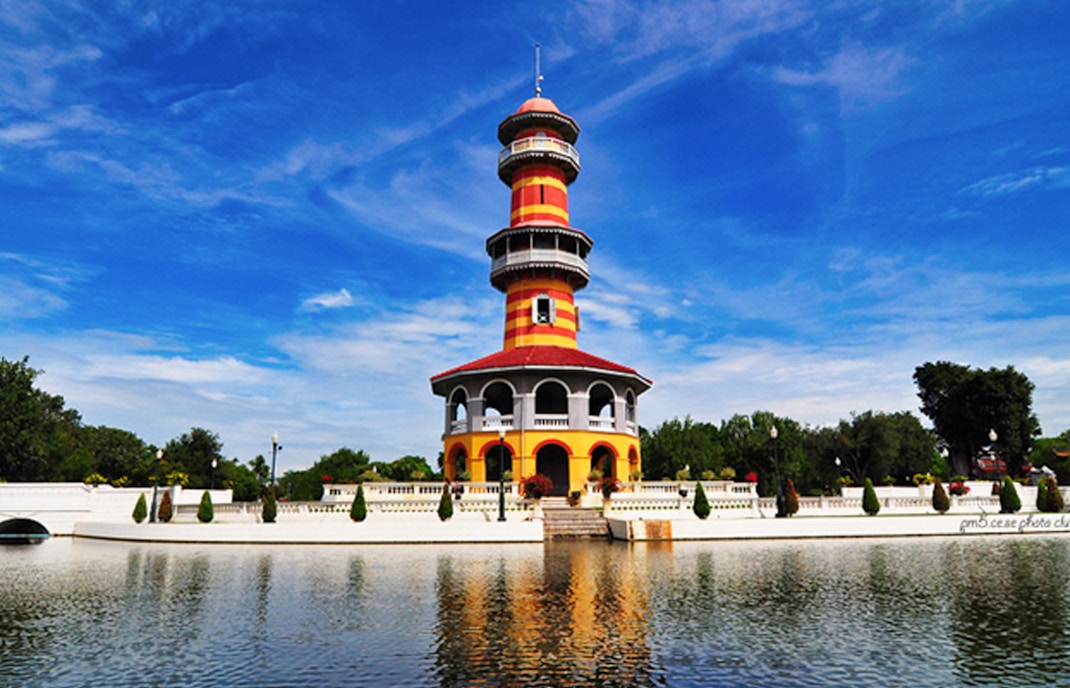
Planning & expansion (1350–1600)
Ayutthaya quickly rose to become the heart of the Siamese Kingdom, with its network of canals, moats, and fortified walls hinting at its strategic brilliance. As it expanded by absorbing nearby kingdoms like Sukhothai, it became a dominant force in Southeast Asia.
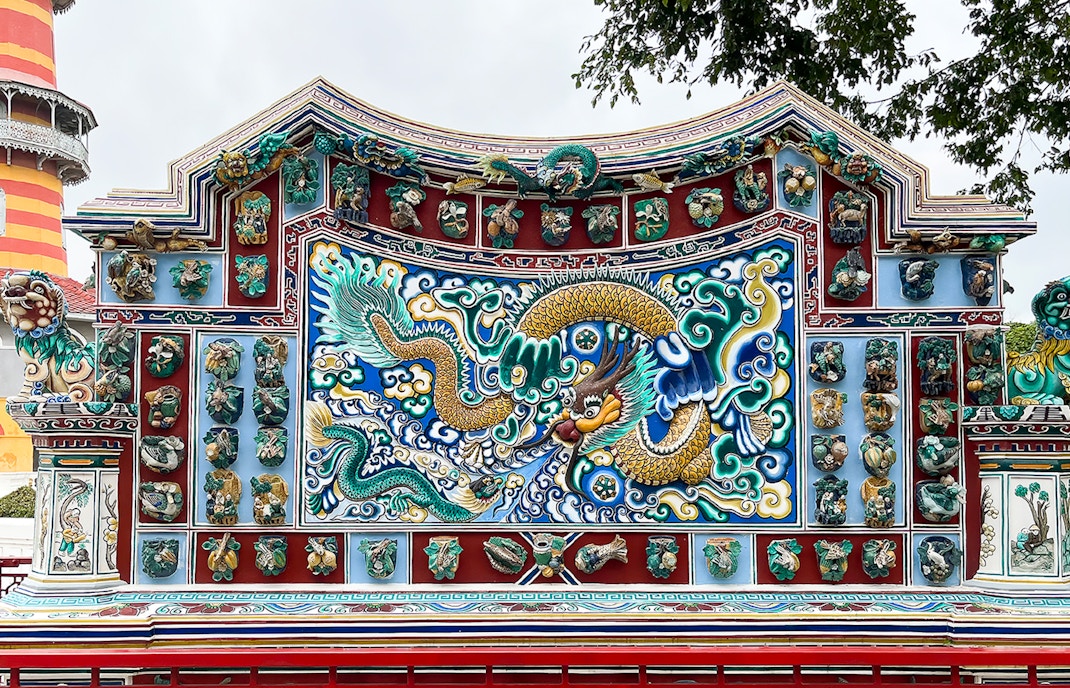
Diplomacy, culture & design innovation (1600–1767)
In the 17th–18th centuries, Ayutthaya flourished under kings like Narai, becoming a global hub with foreign quarters and diverse influences. Art, literature, and architecture thrived, blending Thai, European, and Islamic styles in structures built for both beauty and resilience.
Fall, rediscovery & legacy (1767–present)
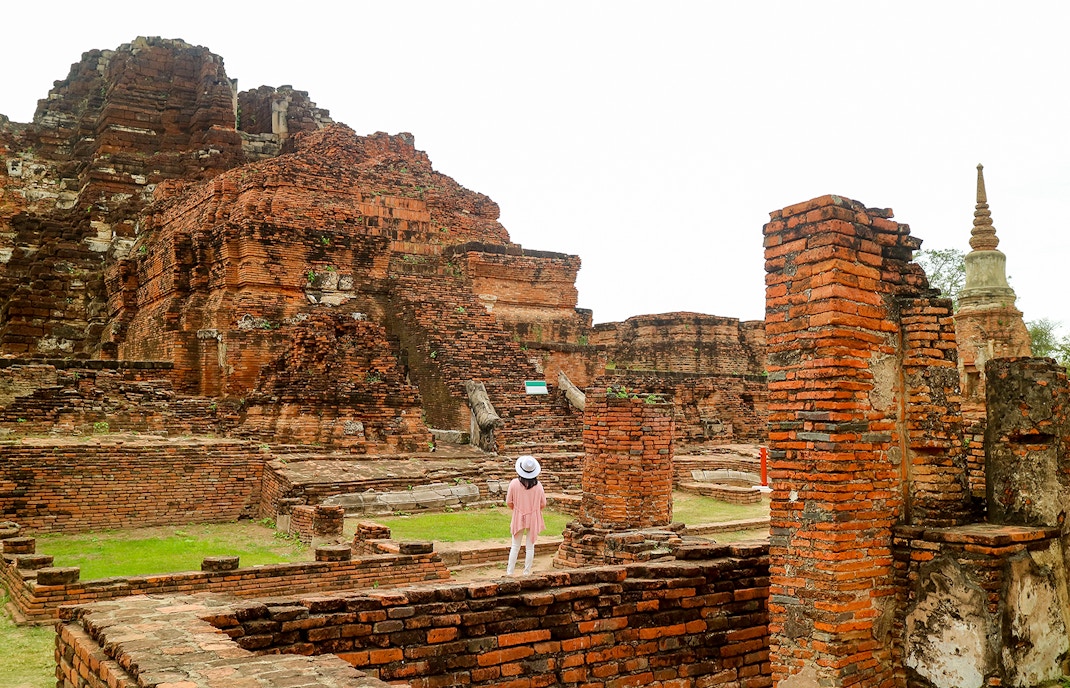
Ayutthaya fell to the Burmese in 1767, leaving the city in ruins. The capital shifted to Thon Buri, and later to Bangkok, while Ayutthaya remained dormant for nearly 200 years. Restoration began in the 1960s, and in 1991, it was designated a UNESCO World Heritage Site. Today, its preserved ruins, museums, and riverside markets make it a vibrant blend of history and modern tourism.
Ayutthaya Historical Park today
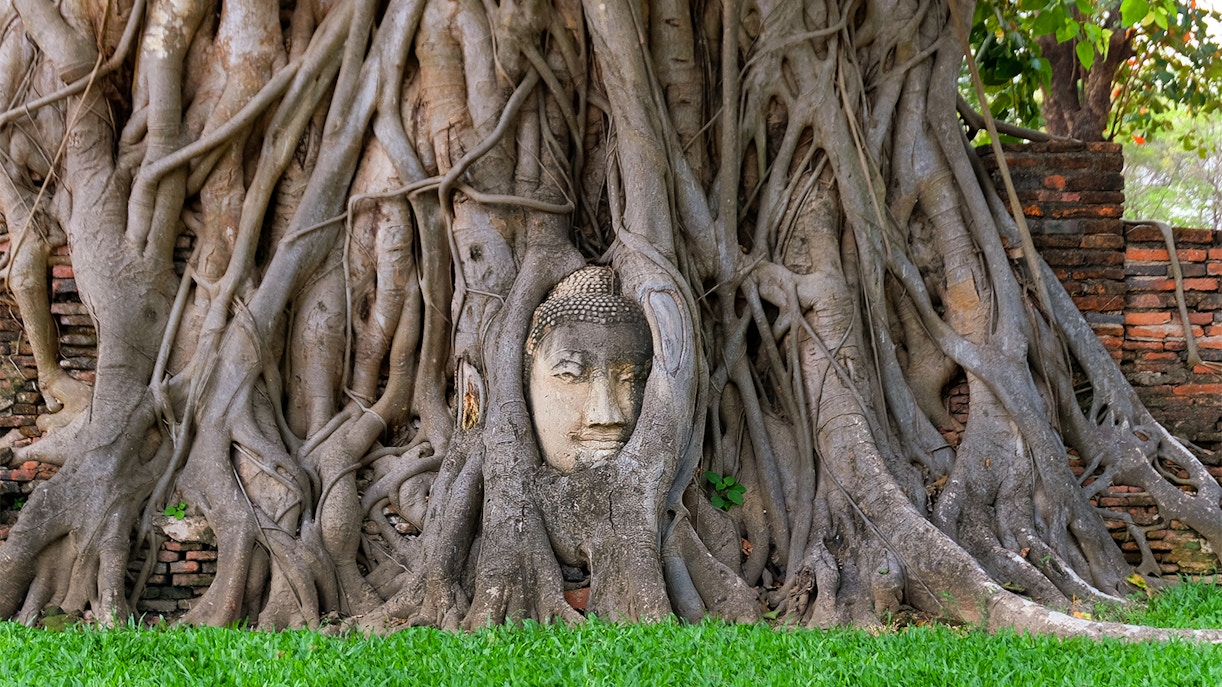
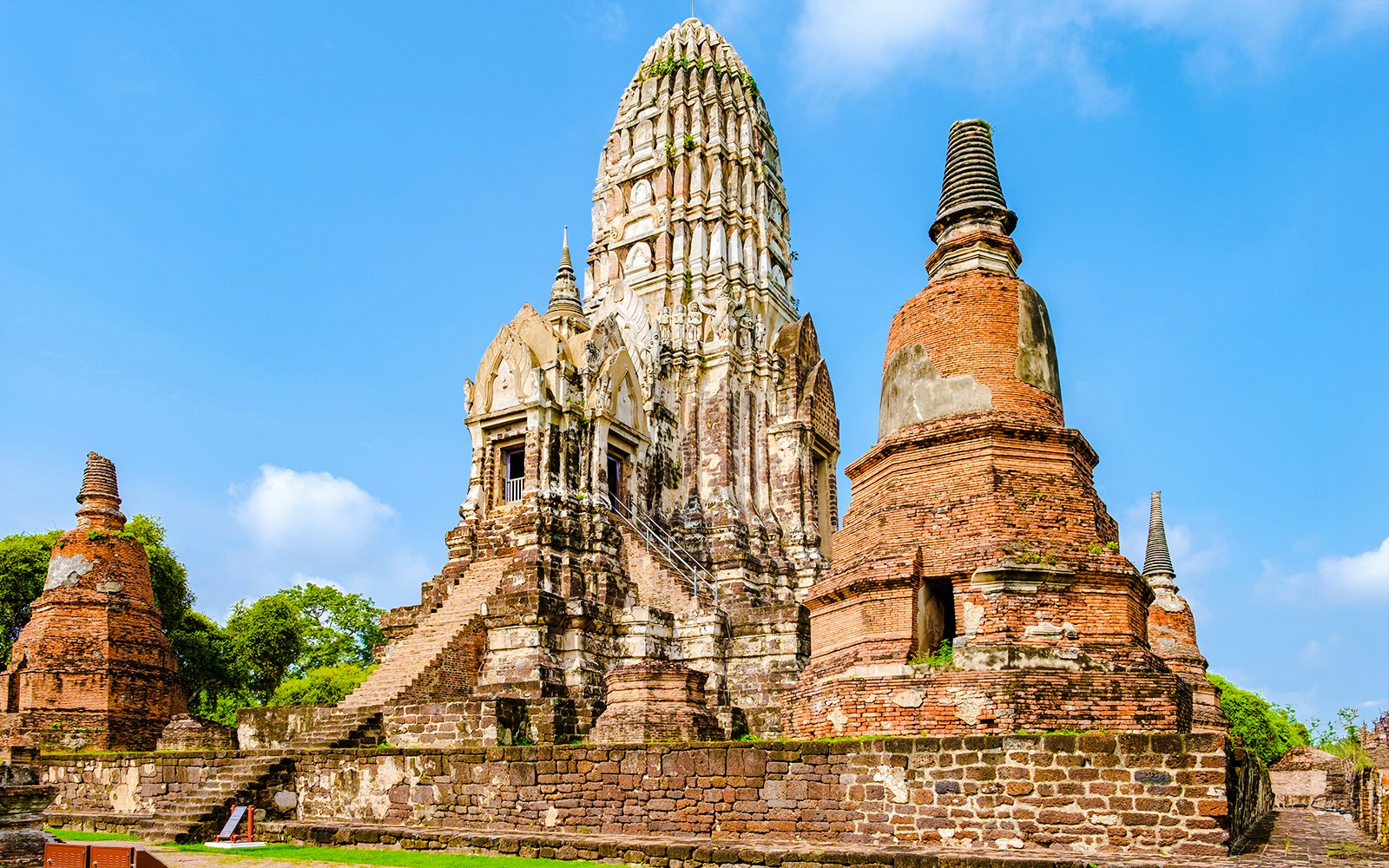
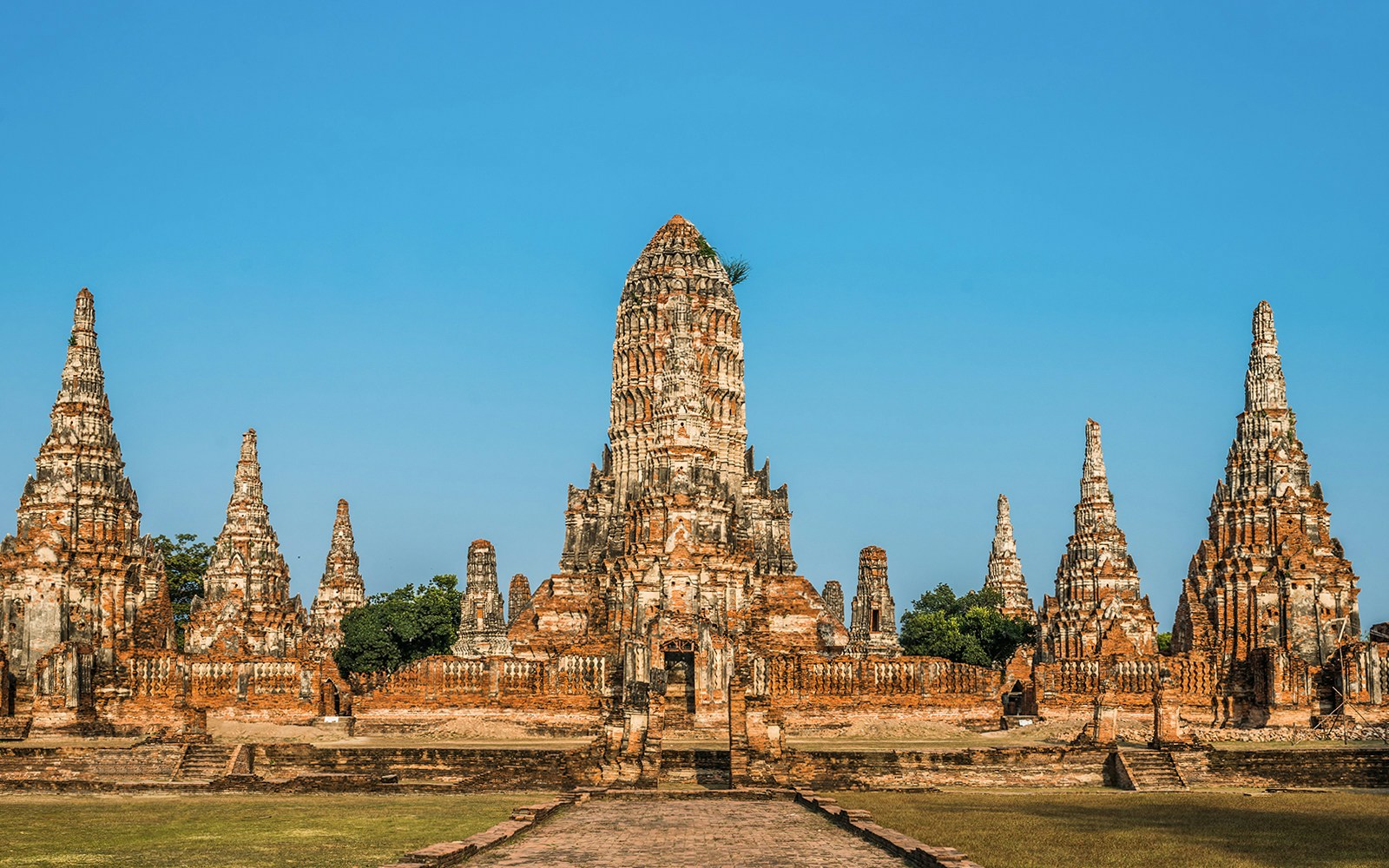
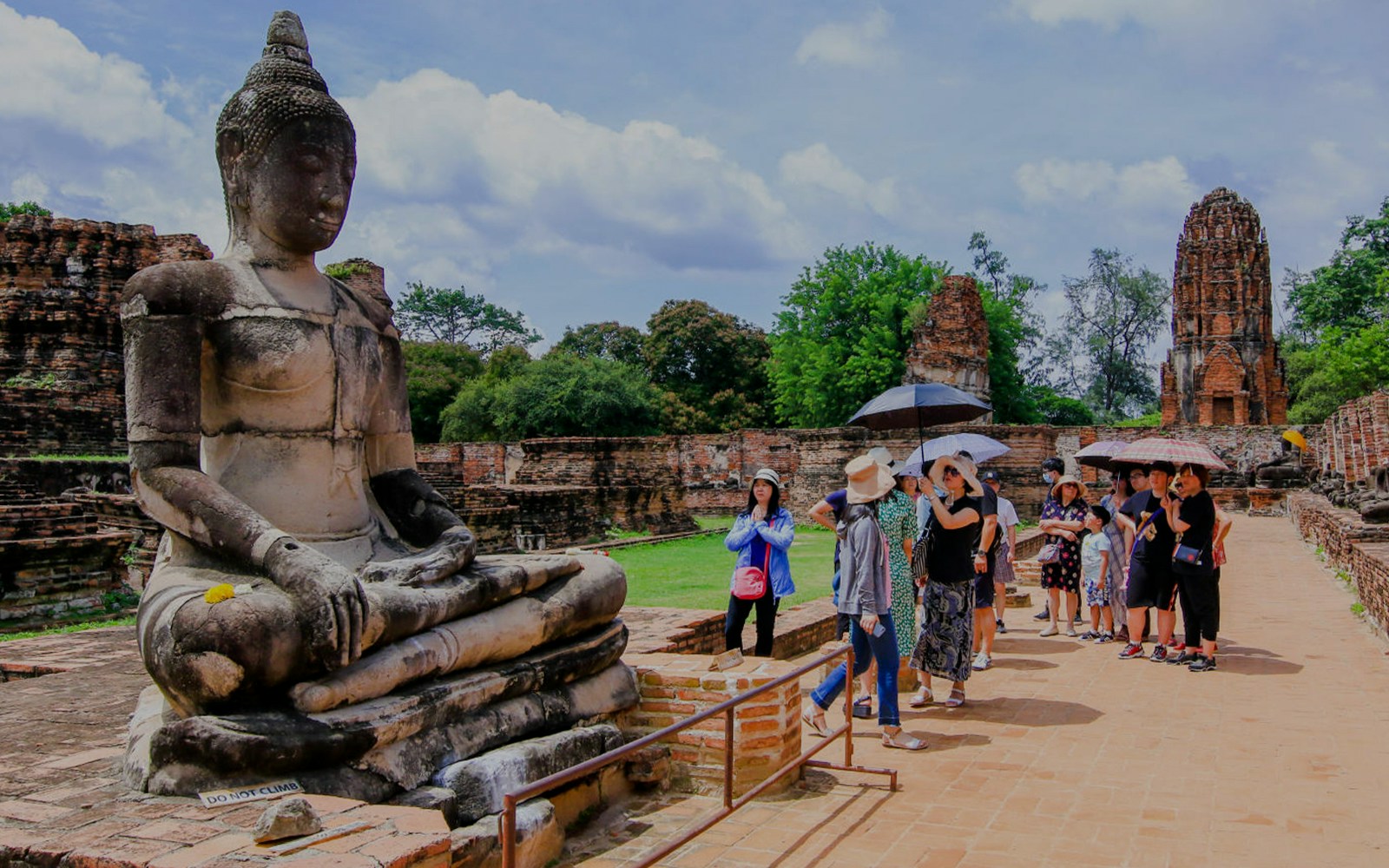
Today, Ayutthaya is one of Thailand’s most popular heritage sites, with centuries of history on display at the UNESCO-listed Historical Park. Visitors come to see landmarks like the Buddha head in the tree roots at Wat Mahathat and the tall stupas of Wat Phra Si Sanphet. The city also offers river cruises, local markets, cultural shows, and museums like Chao Sam Phraya. Festivals like Loy Krathong bring color and tradition to this historic place.
Things to see at Ayutthaya Historical Park
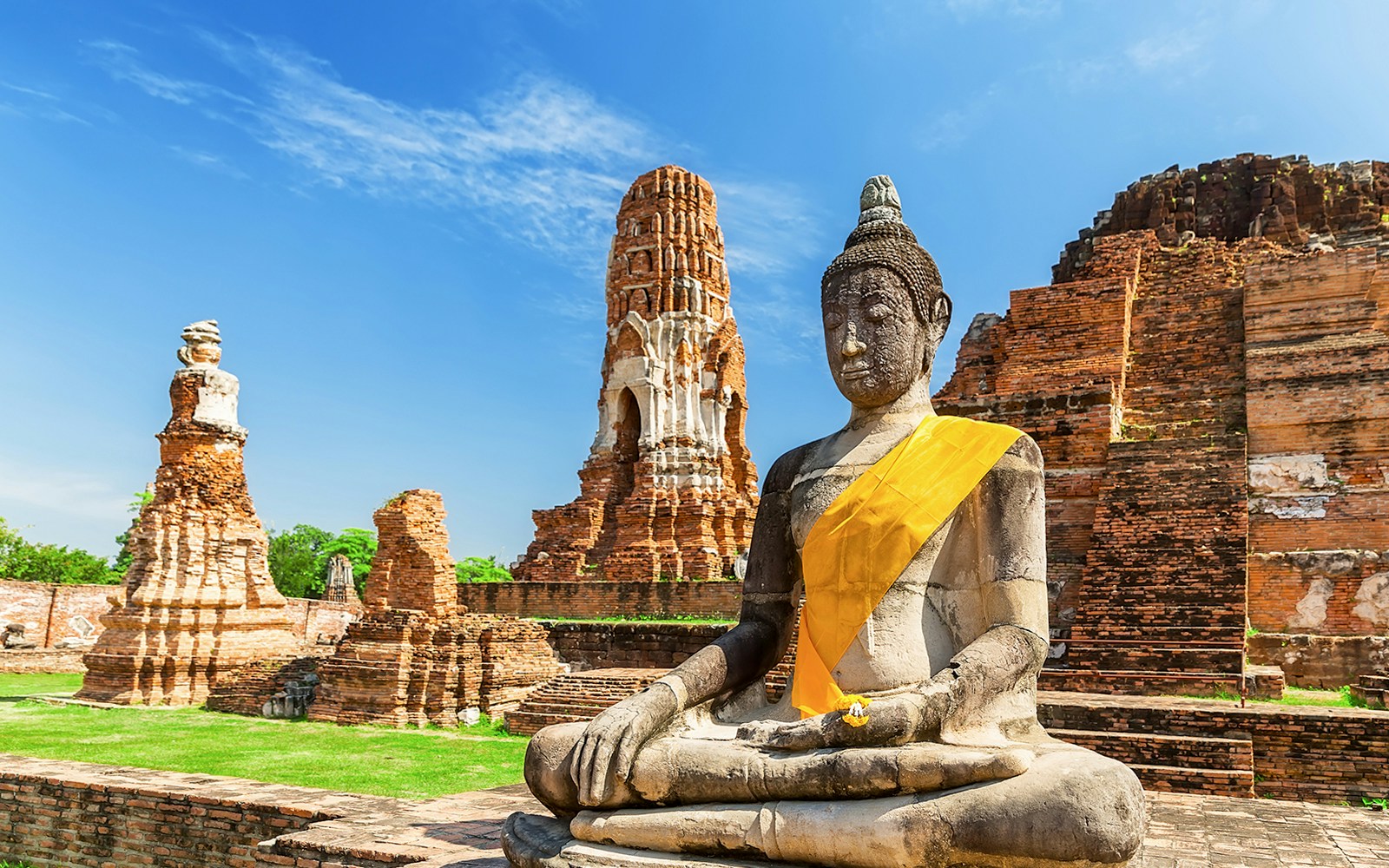
Wat Mahathat
The iconic Buddha head entwined in tree roots – Ayutthaya’s most photographed symbol of serenity and resilience.
Frequently asked questions about Ayutthaya Historical Park
Step into what was once one of the world’s most majestic cities. Founded in 1350, Ayutthaya served as the capital of the Siamese Kingdom for over 400 years. It became a thriving international trade hub, welcoming merchants from Portugal, Japan, France, and beyond.
Ayutthaya met a tragic fate in 1767 when it was invaded and sacked by the Burmese. Much of the city was burned, its temples destroyed, and its treasures looted. Rather than rebuild, the Thai monarchy moved the capital downriver to what is now Bangkok, leaving Ayutthaya’s sacred structures as poignant relics of the past.
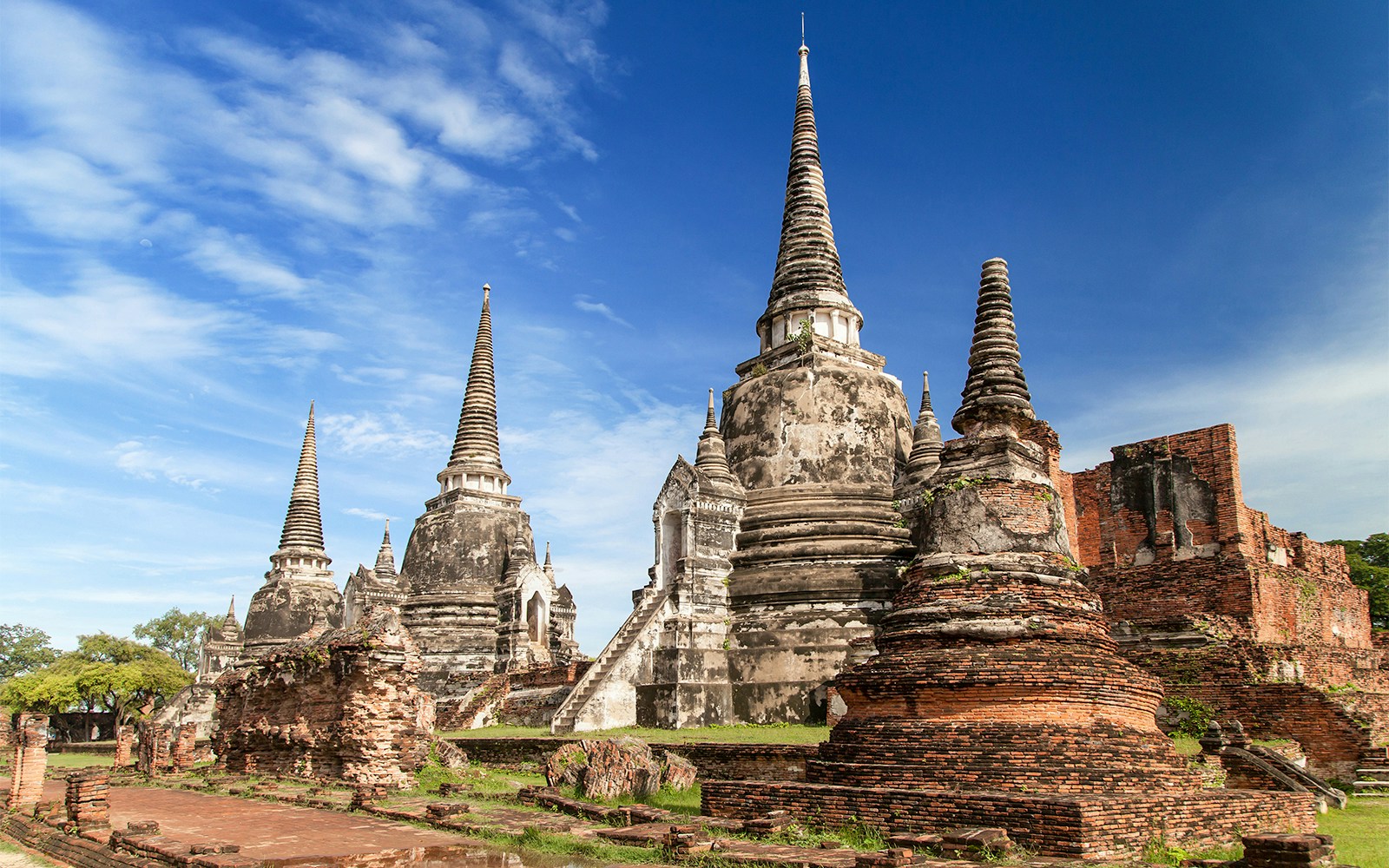
The tour usually includes Wat Mahathat, Wat Phra Si Sanphet, and Wat Yai Chai Mongkhon. Some tours also include Bang Pa-In Palace, a royal retreat blending Thai, Chinese, and European design.
Modest clothing is essential. Wear something that covers your shoulders and knees—this applies to both men and women. Light, breathable fabrics are recommended, and bring a hat or scarf for sun protection.
Yes! Kids will love the wide open spaces, tuk-tuk rides, and exploring old ruins. Just keep them hydrated and sun-protected. Some tours even include fun extras like boat rides or local snack tastings.
There’s a fair bit of walking, especially across temple complexes with uneven paths. Comfortable shoes are a must. If you're worried about the pace, consider a private tour or tuk-tuk hire to minimize walking.
Yes—many Ayutthaya day tours include expert guides who provide rich historical context. For deeper insights, look for heritage-focused tours or those led by certified cultural guides.
Yes, English is standard, but many tours also offer guides in French, German, Spanish, Mandarin, and Japanese. If you want a deep dive into the region’s history, opt for a tour with a certified historian or cultural expert.


